Tips for Setting Up Financial Independence
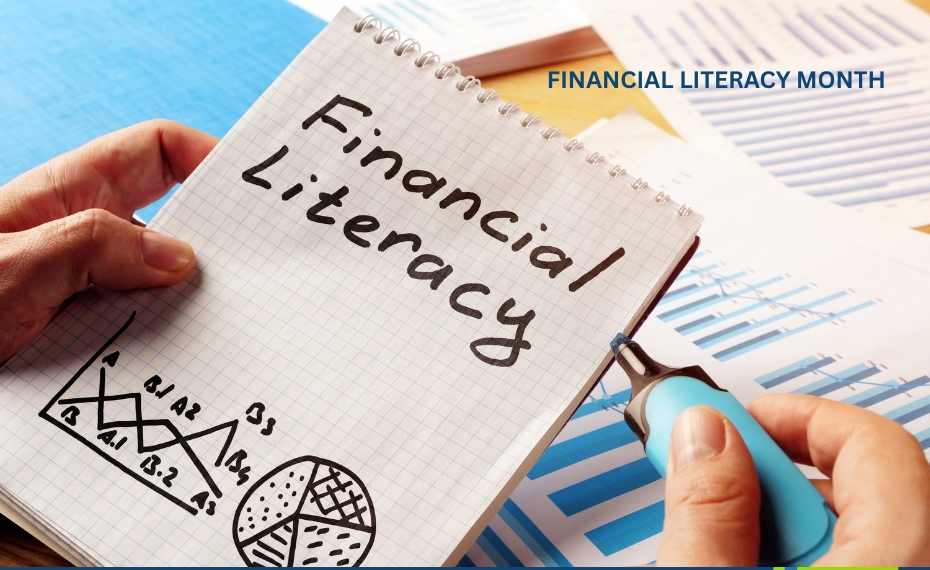
Former Federal Reserve Chairman Alan Greenspan once stated, “Financial education is a process that should begin at an early age and continue throughout life. This cumulative process builds the skills necessary for making critical financial decisions.”
At Fidelity Bank, we understand the importance of helping our community build a strong financial foundation to help better understand basic concepts like budgeting, simple interest, and establishing and maintaining good credit.
According to the Council for Economic Education’s Survey of the States, only 28 states in the U.S. require high school students to take a course in economics. While this is a marked improvement since CEE’s first survey in 1998, there remains a sizable financial education knowledge gap.
Fidelity Bank, a local independent community bank, believes that financial capability education improves the financial health outlook for our youth and better prepares them to tackle unexpected financial situations or prepare for significant life milestones like paying for college, purchasing a home, opening a business, or building a nest egg for retirement.
Fidelity Bank offers the following tips to shore up money management skills on the road to financial independence.
Tips for Setting Up Financial Independence
1. Set Measurable Goals
2. Start a savings account early
3. Secure part-time work
4. Track your spending
5. Educate yourself on investment risk and rewards
6. Learn about credit scores
· Set Specific Measurable Attainable Realistic Trackable (SMART) goals. Choose your priorities—whether it’s saving for a computer or building an emergency fund—and make sure they are achievable. Create a plan of action and measure your progress over time.
· Start a savings account (if you don’t have one already). Fidelity Bank offers automatic transfer services to move a set amount from your checking account to savings monthly. We make it easy to open an account safely online in minutes here.
· For working-age students, consider part-time or seasonal employment. You will learn more about personal responsibility and have an opportunity to manage expenses.
· Track your spending and avoid making impulse purchases. Create a budget and review it periodically to make necessary adjustments.
· Gain perspective about risk and reward. Knowing how stocks, bonds, and mutual funds can affect an investment portfolio shows you how financial decisions can grow—or shrink—your savings.
· Learn about credit scores—a representation of your financial past, present, and future. Fidelity Bank can offer tips to help you establish and maintain good credit through our free Credit Sense app available to all customers via our Mobile App.
Having knowledge about how to best manage your money is just the start. Proper money management techniques throughout a lifetime can help ensure a promising financial future.